
10 Unique Things to Do in Costa Rica (Beyond Arenal and Manuel Antonio)
Most Costa Rica “things to do” lists are really just La Fortuna, Manuel Antonio, Monteverde and Guanacaste repackaged four different ways, and we’d know, that’s most of this site. This list is deliberately the opposite: ten real, verifiable experiences that don’t live in any of our region hubs, spread across the Osa Peninsula, the Caribbean coast, the northern volcanoes, and the Central Valley.
A few of these come with real logistics you shouldn’t skip, Corcovado’s mandatory-guide law and Poás’ timed entry both have penalties or lost bookings if you ignore them, so read the specifics under each one before you build a day around it.
Public domain / CC0, via Wikimedia Commons 1
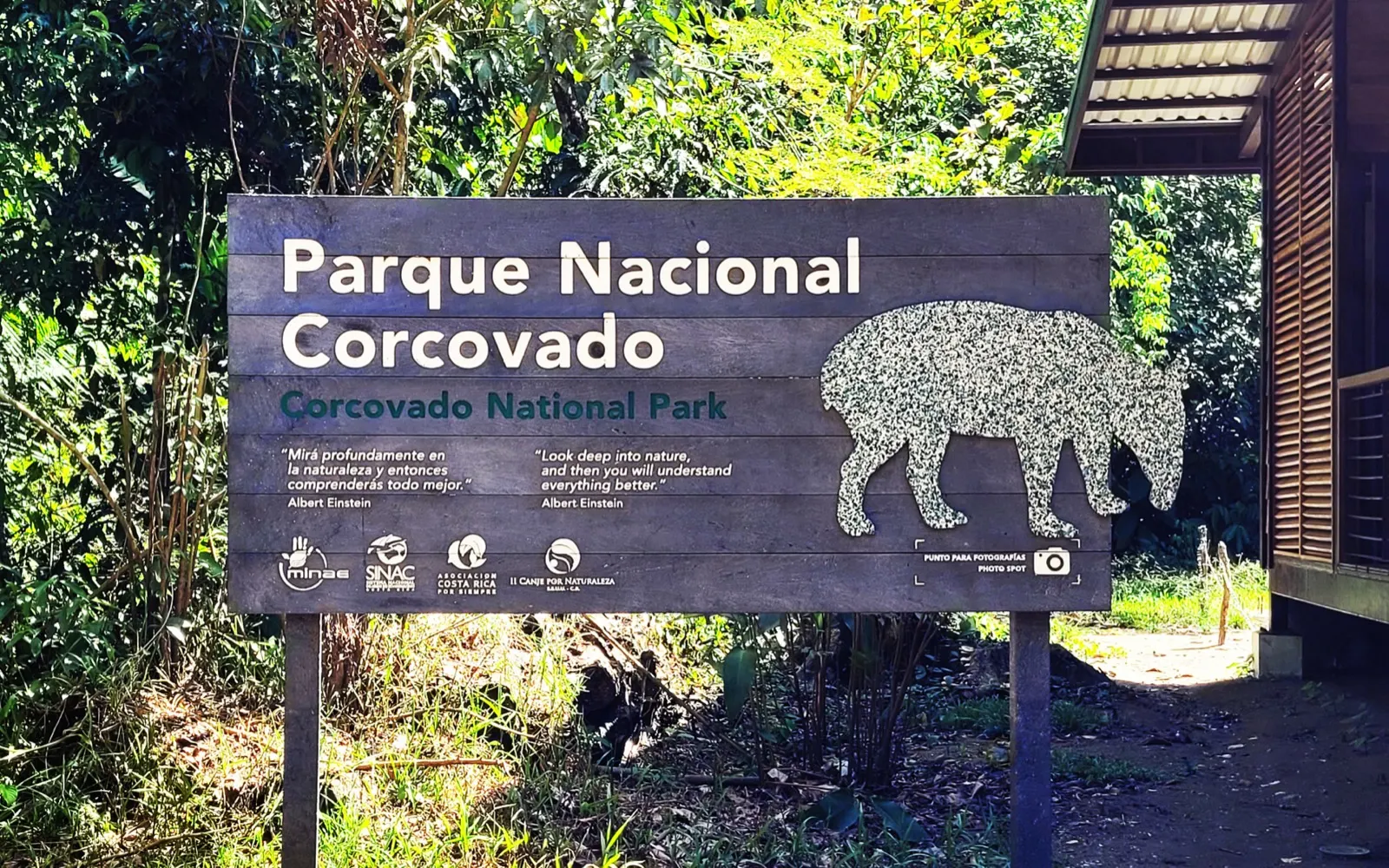
Track tapirs and scarlet macaws in Corcovado National Park
National Geographic once called Corcovado 'the most biologically intense place on Earth,' and it is the only place in Costa Rica where all four native monkey species and five of Central America's six wild cat species share the same forest. Since 2014, every visitor needs a SINAC-registered certified guide, no exceptions, no freelance guides, and rangers do check. That rule is exactly why it stays this wild: Baird's tapirs still browse the beach at Sirena in broad daylight, and flocks of 20 to 40 scarlet macaws are a normal sighting, not a lucky one. Book your permit and guide weeks ahead in dry season (December-April), when the Sirena quota sells out fastest.
Public domain / CC0, via Wikimedia Commons 2
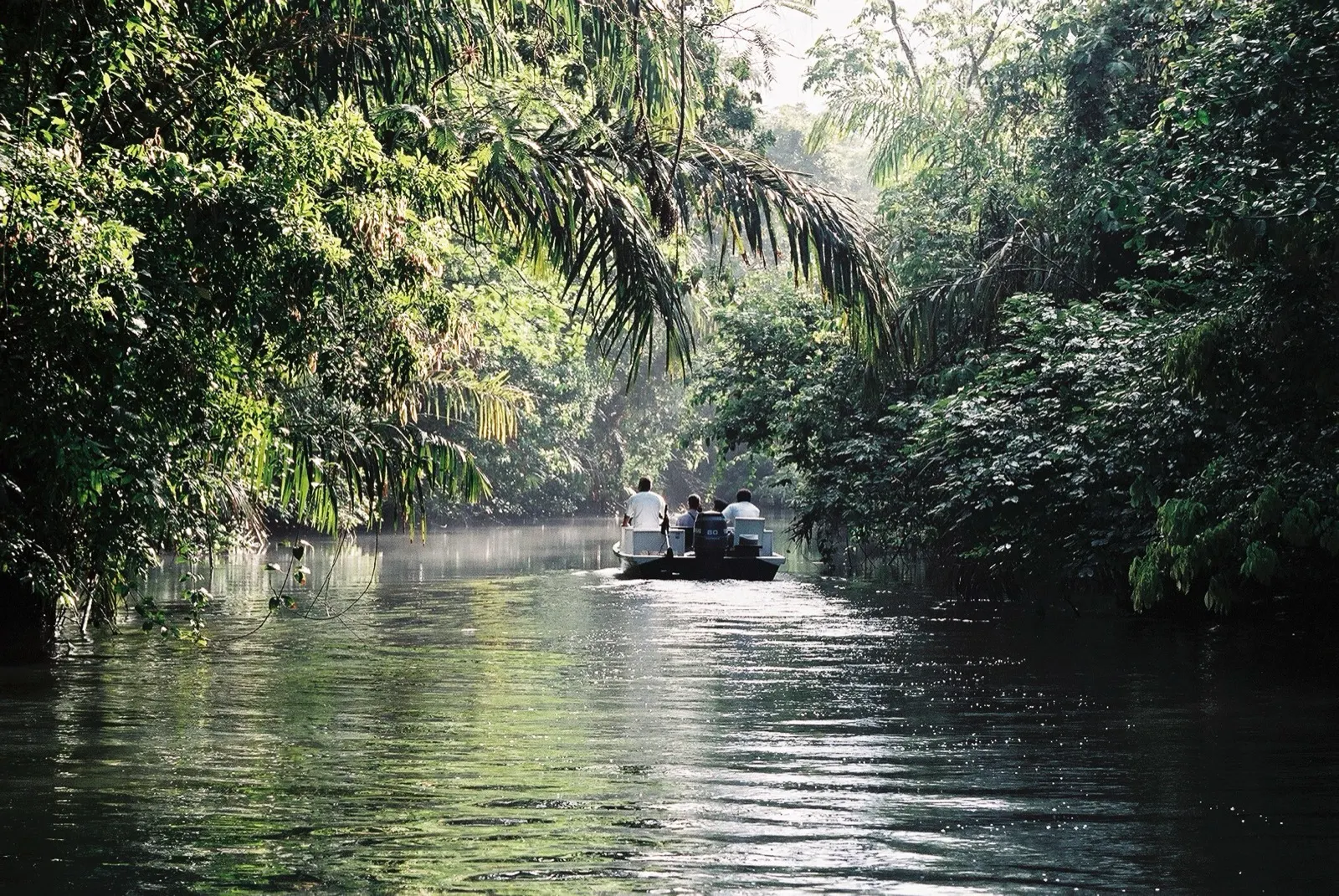
Watch sea turtles nest in Tortuguero's canals
There are no roads to Tortuguero, you arrive by boat or small plane, and that isolation is the whole point. Up to 50,000 green sea turtle nests get laid on its beaches every year, with the peak nesting window running July through October (August is busiest). Night tours are tightly controlled: no flashlights, no cameras, no white or bright clothing, so the turtles aren't disturbed mid-nest. By day, the actual highlight is often the canals themselves, nicknamed 'Costa Rica's Little Amazon', where a quiet boat or kayak at dawn turns up howler monkeys, caimans, and, if you're lucky, a West Indian manatee.
rob Stoeltje · CC BY 2.0 · resized, via Wikimedia Commons 3
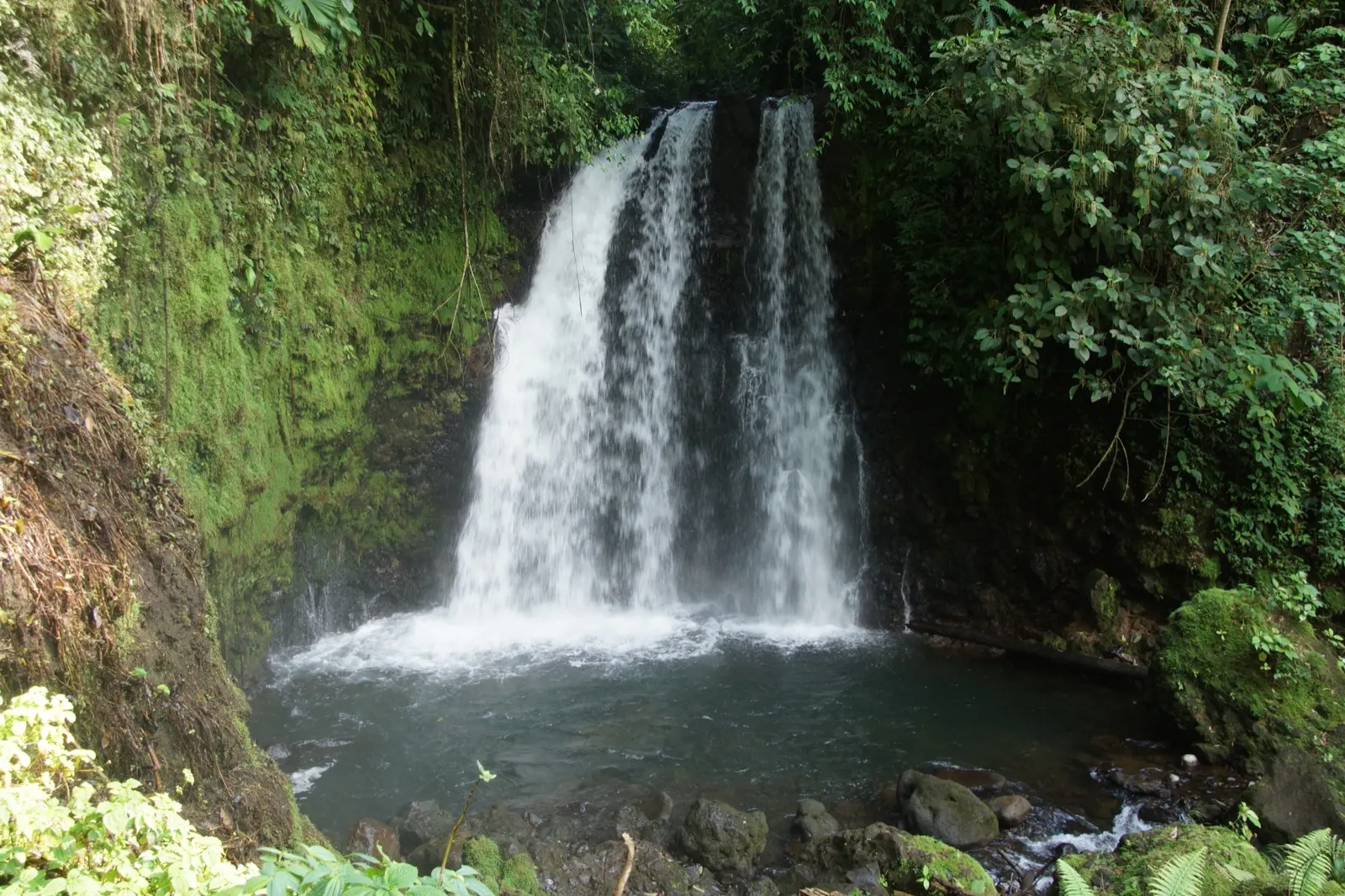
See the optical-illusion blue of Río Celeste
Río Celeste's sky-blue color looks like it should be a chemical reaction, but researchers at the University of Costa Rica confirmed it's actually an optical illusion: fine white minerals coat the riverbed at a spot called 'El Teñidero,' where two clear, colorless streams merge, and that white coating scatters light to make the water look far bluer than it really is. The full loop to the waterfall, the mixing point, and Laguna Azul runs about 7 km (3 hrs); if you just want the waterfall view, it's closer to a 4 km round trip, but be ready for a 250-step descent to the viewpoint. Swimming isn't allowed anywhere in the park, and the color fades noticeably in the rainy season (mid-May to December), so plan for dry season if the blue is the main draw.
MongeNajera · CC BY-SA 3.0 · resized, via Wikimedia Commons 4
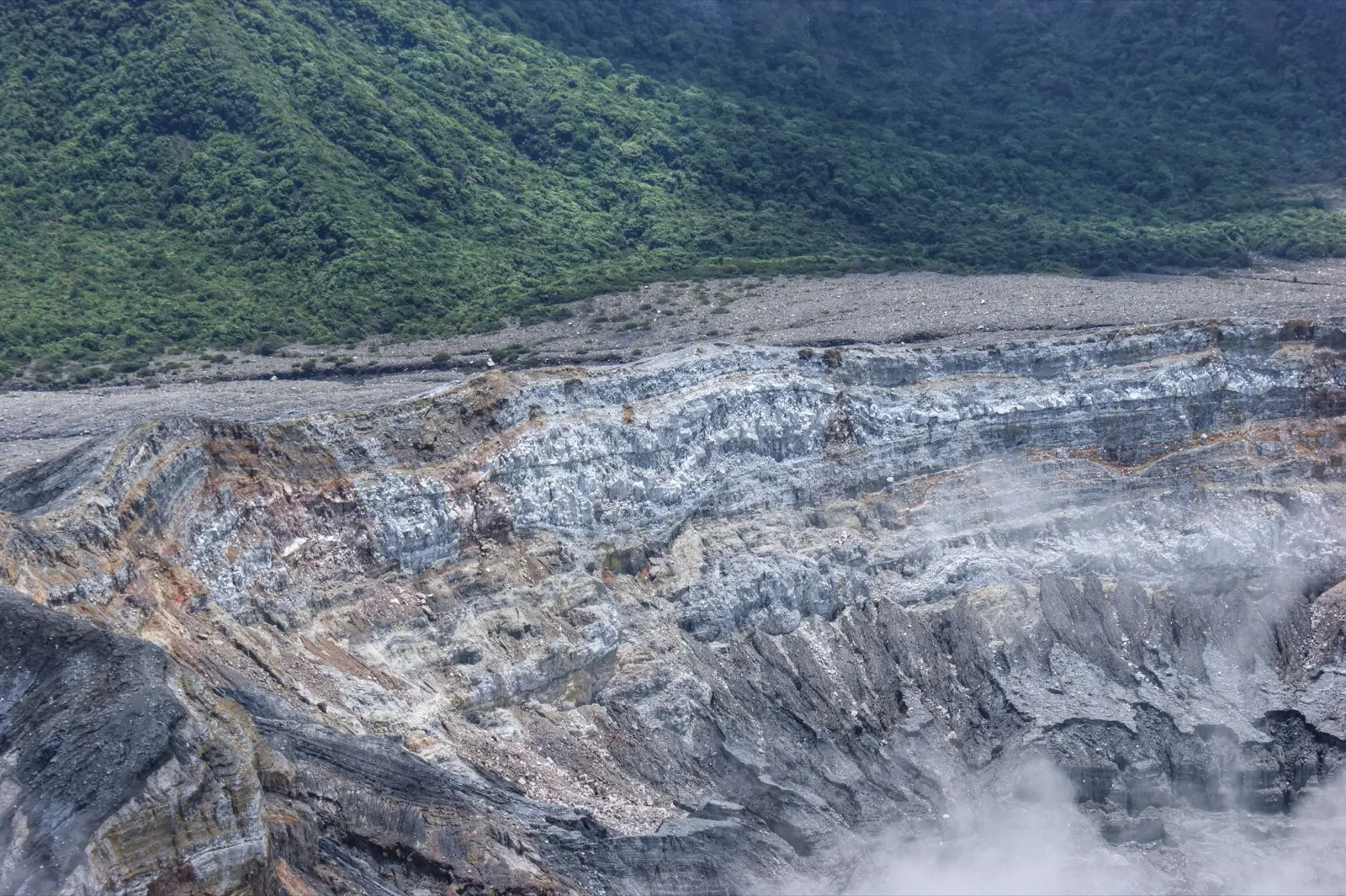
Peer into an active crater at Poás Volcano
Poás has the largest active crater in the world you can actually drive up to, nearly a mile across and over 300m deep, with a bubbling, sulfuric lake at the bottom and geysers that occasionally rocket steam up to 250m. Because it's an active volcano, every ticket is timed through Costa Rica's SINAC reservation system, there's no walk-up entry, and you get 20 minutes at the crater rim before you have to move on, clouds or not. Go as early in the day as your slot allows: the crater fills with cloud fast as the morning warms up, and there are no refunds for a socked-in view.
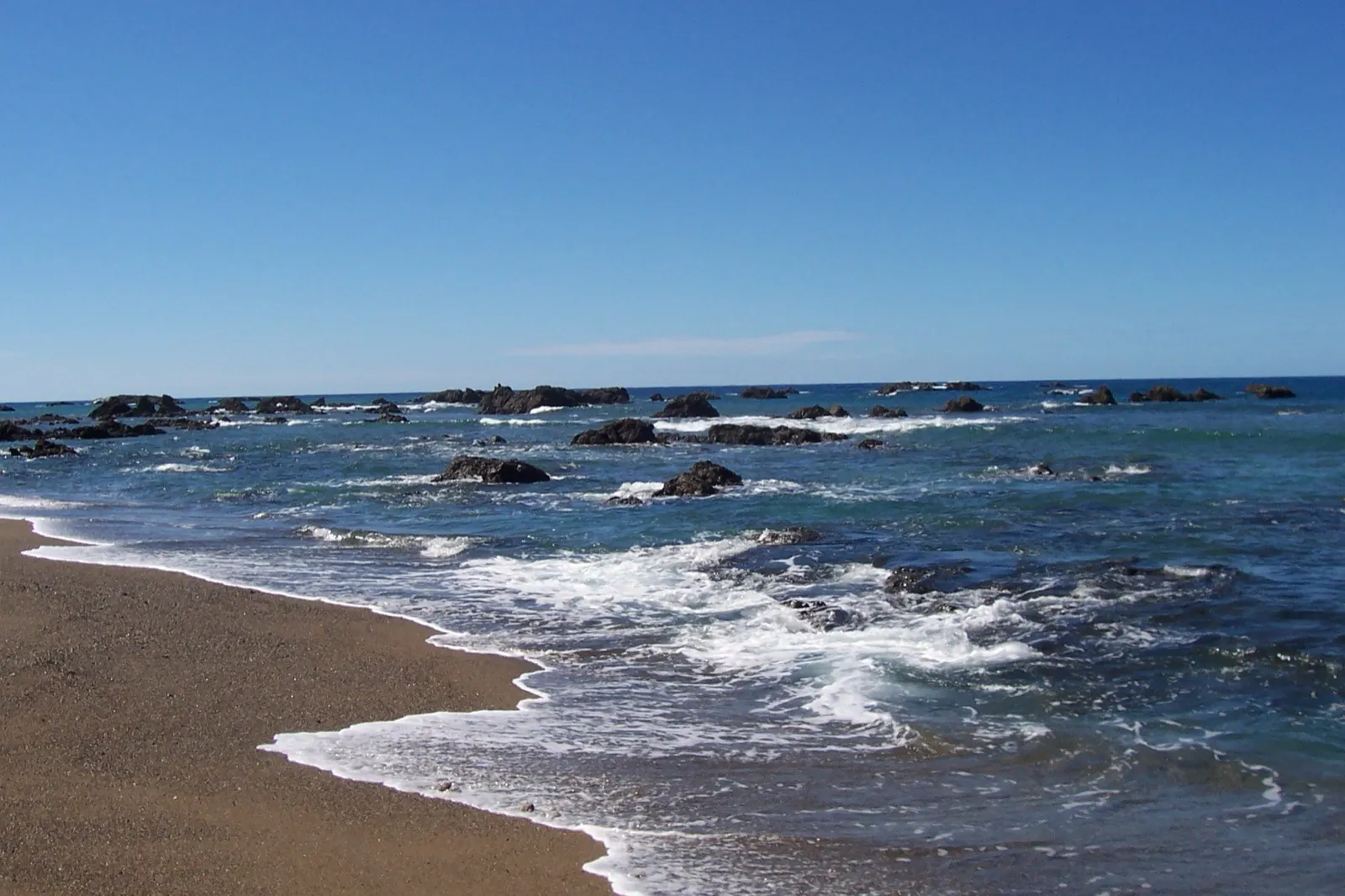
MikeJ9919 · CC BY 2.5 · resized, via Wikimedia Commons 5
Snorkel Costa Rica's last living Pacific coral reef at Isla del Caño
Most of Costa Rica's Pacific coral died off from El Niño temperature swings, but Isla del Caño, a strictly protected biological reserve about a 30-minute boat ride from Drake Bay, still has a living reef, purple lobe coral, orange sea fans, and a resident cast of white-tipped reef sharks, manta rays, and (July-October) migrating humpback whales. No one is allowed to stay overnight, diving is capped at 10 people per site, and there's no dive shop on the island itself, so every visit runs through a licensed tour operator out of Drake Bay or Uvita. The island is also a genuine archaeological site, with pre-Columbian burial stones from the Diquís culture still visible.
Public domain / CC0, via Wikimedia Commons 6
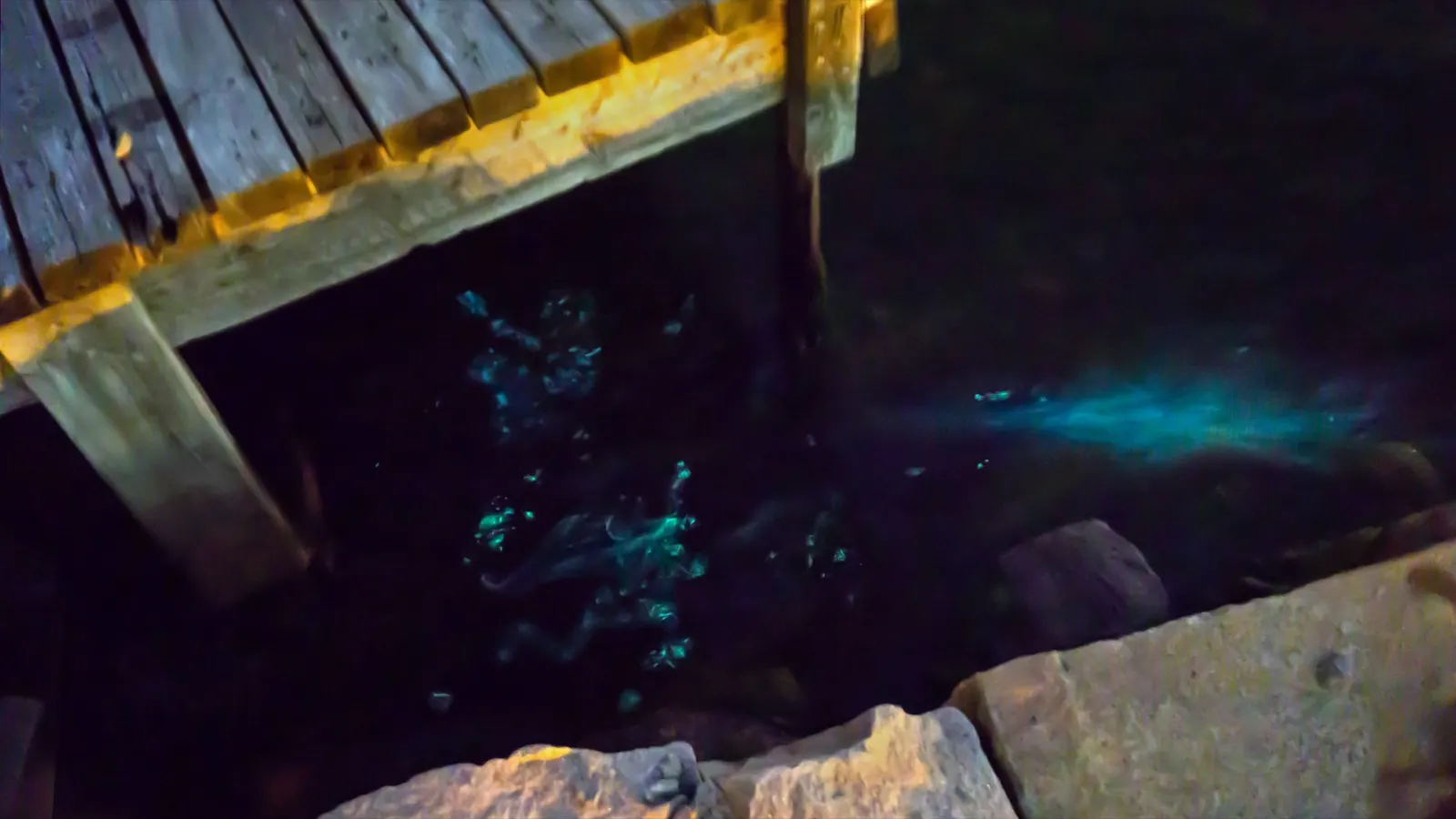
Kayak through glowing bioluminescent water at night
Paquera Bay on the Nicoya Peninsula, plus Golfo Dulce near Puerto Jiménez and Ballena Bay near Uvita, glow with bioluminescent plankton essentially year-round, which is unusual: most bioluminescent bays worldwide are seasonal. The bigger variable than the calendar is the moon: aim for a night a few days either side of the new moon, since moonlight washes out the glow, and overcast skies actually help. Dry season (November-April) nudges the odds up slightly, but it isn't required the way it is at most other bioluminescent destinations. Note: the photo above is an illustrative bioluminescence shot, not taken in Costa Rica, we haven't been able to verify a freely licensed photo from one of the actual bays yet.
Pavel Kirillov · CC BY-SA 2.0 · resized, via Wikimedia Commons 7
Snorkel a donation-only reef at Cahuita National Park
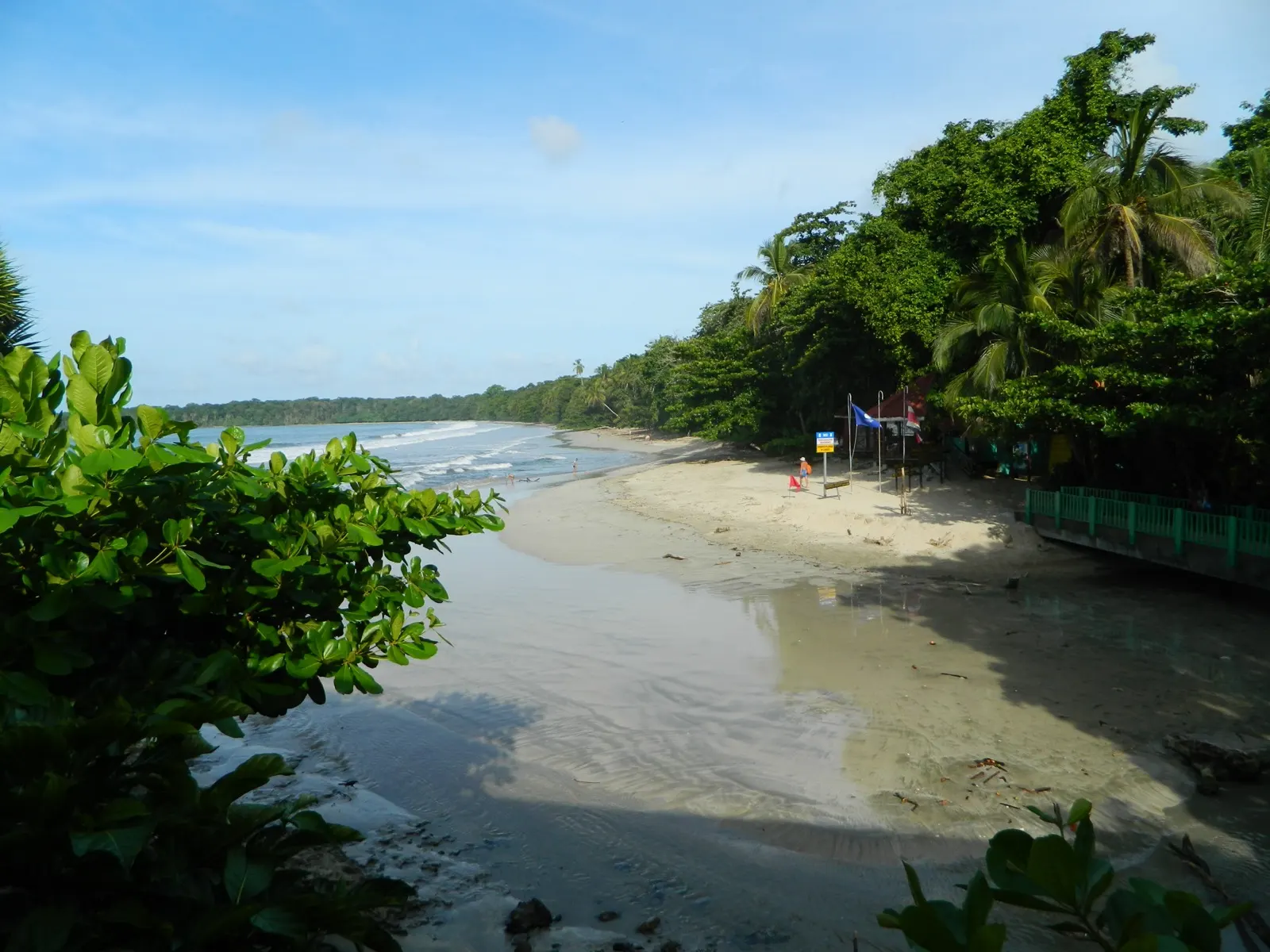
Cahuita is the only national park in Costa Rica with no fixed admission fee at its main Playa Blanca entrance, just a voluntary donation that goes straight to the community that co-manages the park alongside SINAC. It's small (2,732 acres) but dense with wildlife, sloths, howler monkeys, and coatis are routine sightings right along the coastal trail, and its 600-acre reef, the most developed on Costa Rica's Caribbean coast, is easy to snorkel straight from shore. The reef has taken real damage since the 1980s (from sediment runoff and a 1991 earthquake that lifted part of it out of the water), so go in with modest expectations on coral cover and it still delivers on fish and turtles.
Public domain / CC0, via Wikimedia Commons 8
Pick, roast and cup Arabica coffee in the Central Valley
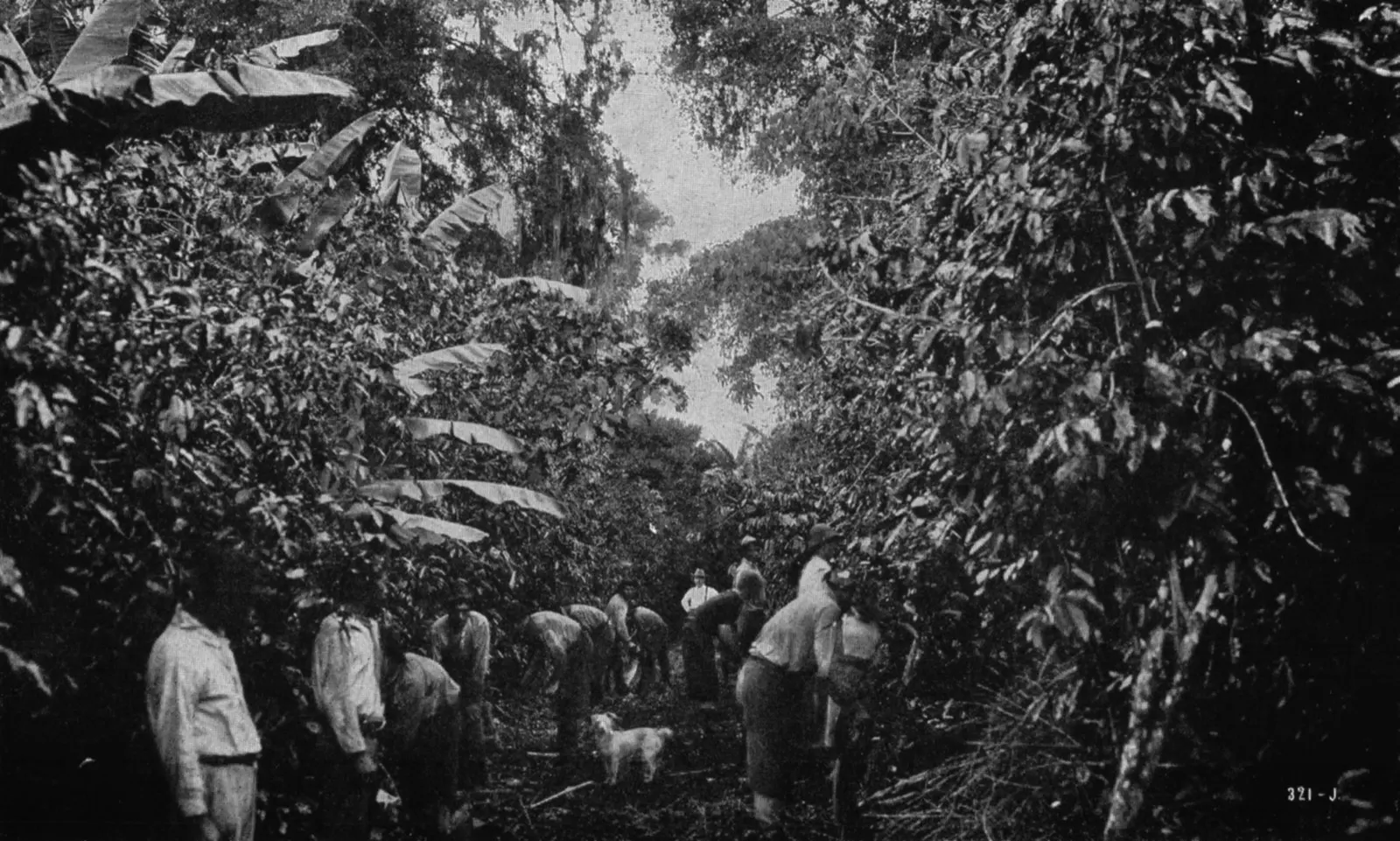
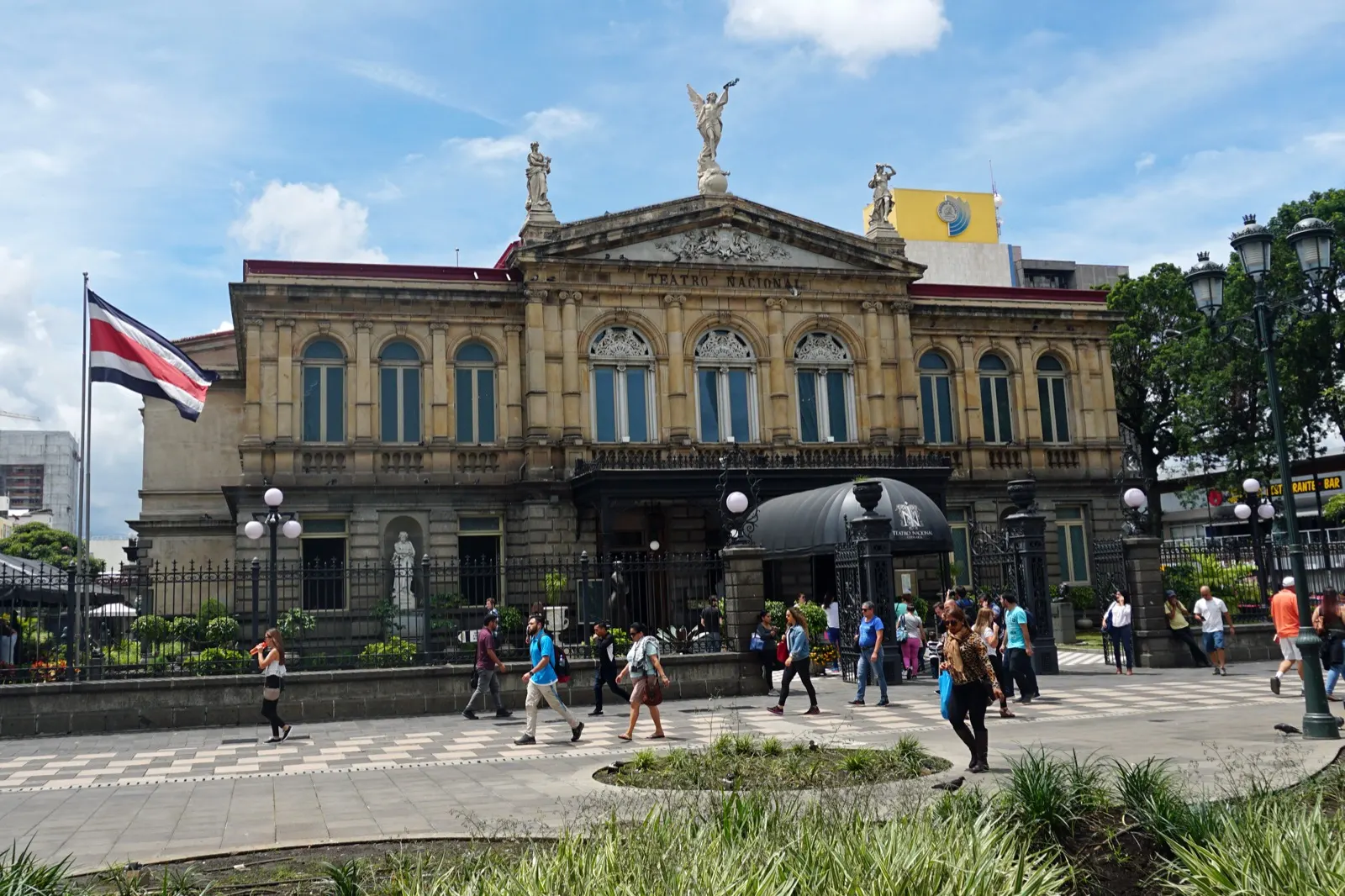
Costa Rica has grown only Arabica coffee since a 1989 law banned Robusta outright, and more than 80% of it grows on volcanic slopes between 800 and 1,600m, which is exactly where the Central Valley's coffee tours operate. Doka Estate, family-run since 1908 on the slopes of Poás, leans hands-on: you sort, wash, and dry beans alongside the harvest crew and taste through eight house blends. Café Britt is the flashier, more produced version, built around the roasting process rather than the farm itself. Either way, you're standing in the industry that quite literally built San José, coffee export revenue funded much of the capital's 19th-century architecture, including the National Theatre.
Raymond M. Coveney · CC BY-SA 3.0 · resized, via Wikimedia Commons 9
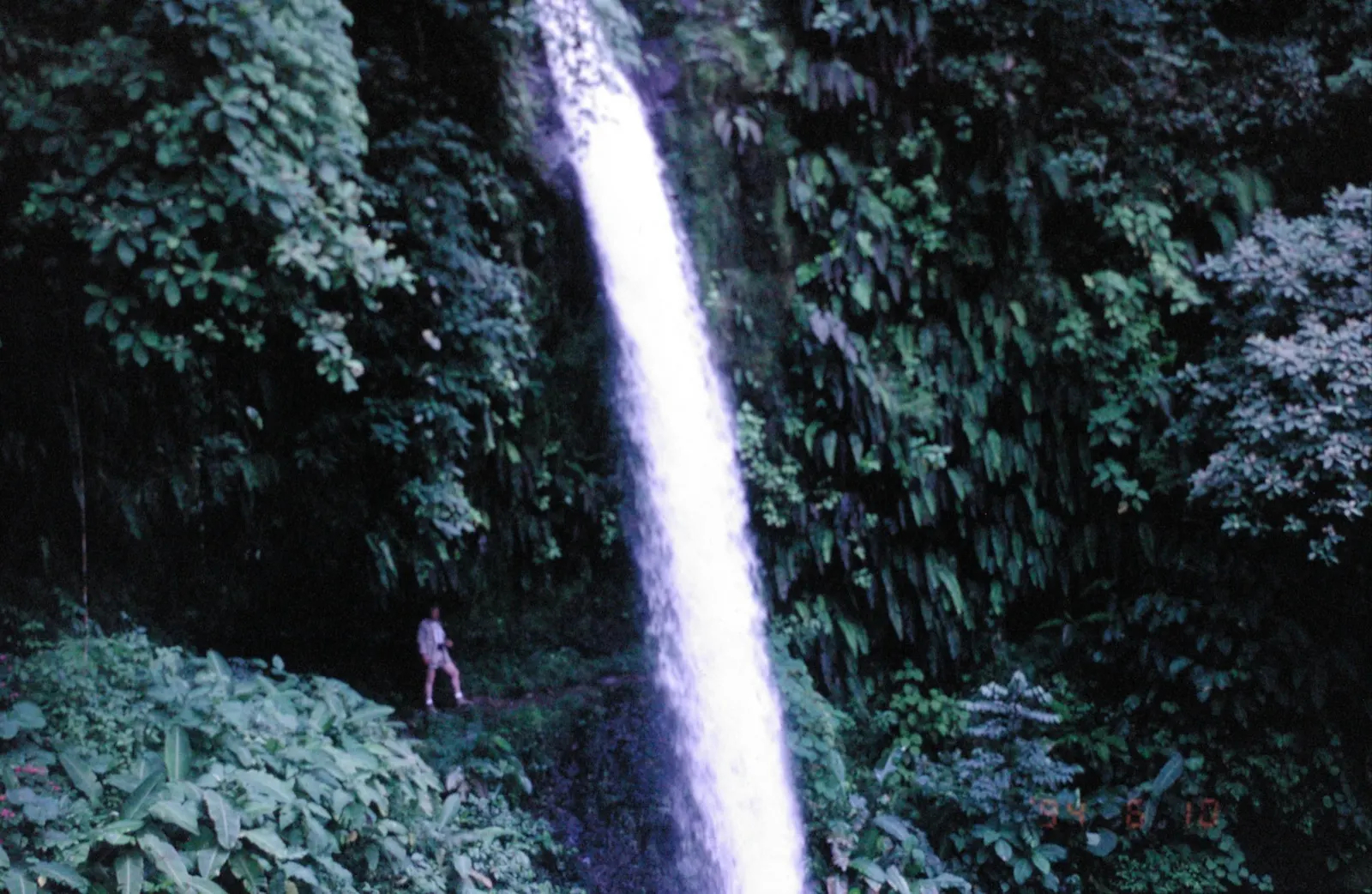
Get an animal-sanctuary close-up at La Paz Waterfall Gardens
La Paz packages five waterfalls, a hummingbird garden, and the country's largest wildlife rescue sanctuary (100+ species) into one 70-acre private park about 20 minutes from Poás. The animal angle is the real differentiator: zoos are illegal in Costa Rica, so every jaguar, sloth, and toucan here was confiscated from illegal captivity or can't survive back in the wild, not captured for display. That makes it a defensible stop even for travelers who are normally wary of wildlife parks. A day pass runs about $49 for adults; budget until at least mid-afternoon; the last shuttle off the exit trail leaves at 5 PM.
Mariordo (Mario Roberto Durán Ortiz) · CC BY-SA 4.0 · resized, via Wikimedia Commons 10
Spend a day on San José's museum walk
Almost every itinerary treats San José as a layover, which means almost every itinerary skips a genuinely good museum day. The Pre-Columbian Gold Museum (1,600+ gold artifacts, underground beneath Plaza de la Cultura) and the Jade Museum (the largest jade collection in the Americas, with a panoramic city view from its top floor) sit an easy walk apart, alongside the coffee-funded, neoclassical National Theatre. A single 'museum walk' ticket covers three of the best in under a kilometer of walking, and every third Wednesday, most San José museums open free with free shuttle transport between them, worth timing a visit around if your dates line up.